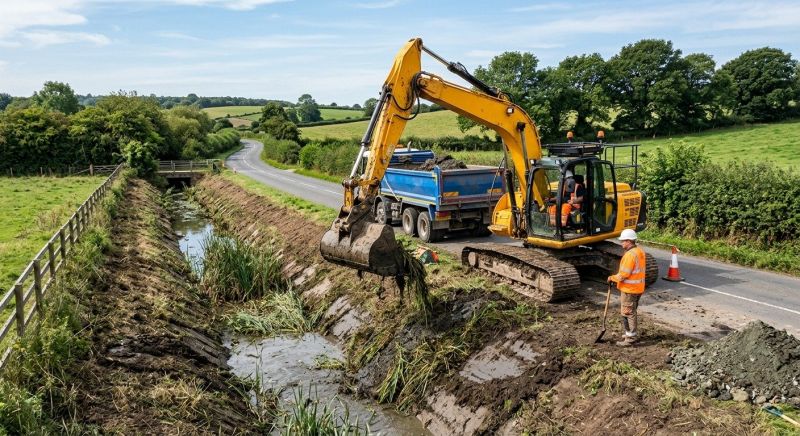
Drainage Ditch Excavation in Salt Lake City, UT
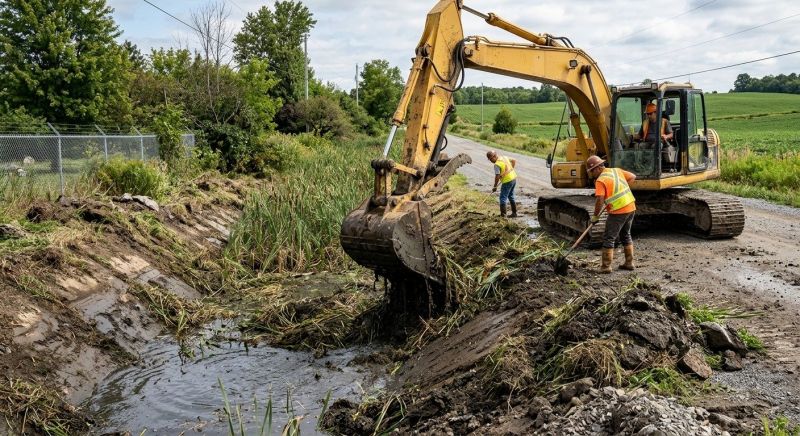
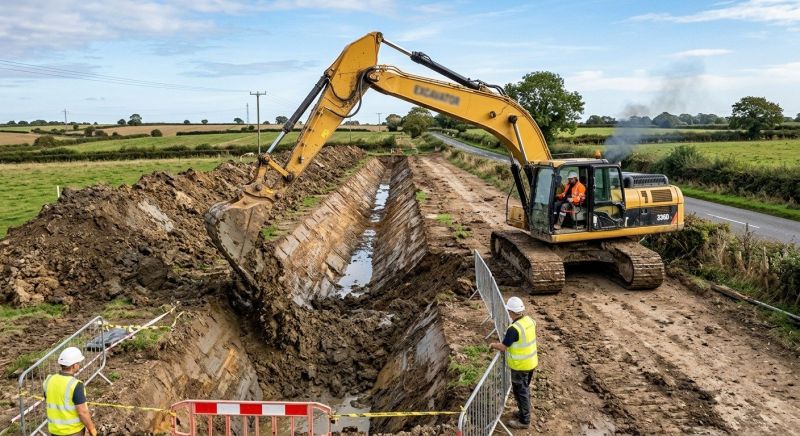
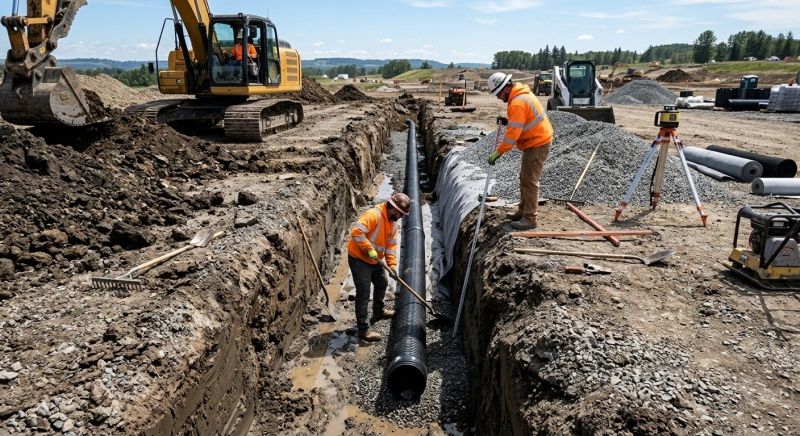
Drainage ditch excavation services involve the careful removal and reshaping of soil to create effective channels for directing excess water away from residential properties. These projects typically address issues such as standing water, erosion control, or improving drainage around foundations, gardens, or lawns. Homeowners often seek this service to prevent water damage, reduce flooding risks, or improve landscape stability, especially in areas prone to heavy rainfall or snowmelt.
Before requesting drainage ditch excavation, property owners usually want to understand the scope of the work, including the size and depth of the ditch, the materials used, and how the drainage will integrate with existing landscaping or drainage systems. Clarifying the purpose of the project and any local regulations or permits required can help ensure the work meets specific property needs and complies with local standards.
Many property owners in Salt Lake City, UT look into Drainage Ditch Excavation for repairs, replacements, upgrades, and appearance-related improvements.
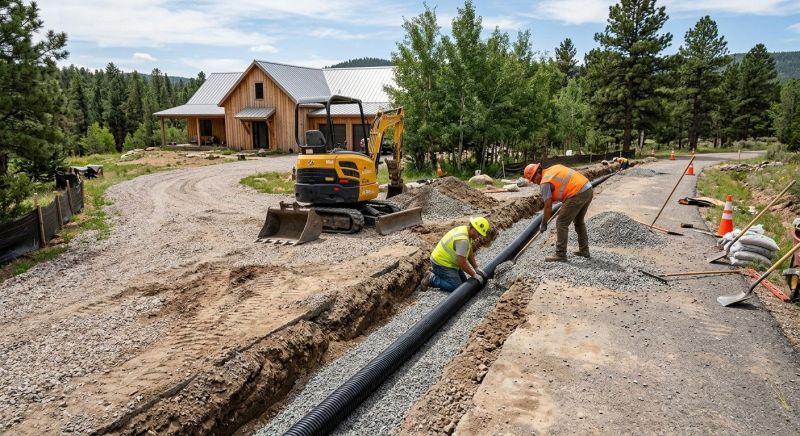
Drainage Ditch Design
Proper design ensures effective water flow and prevents flooding on residential properties.
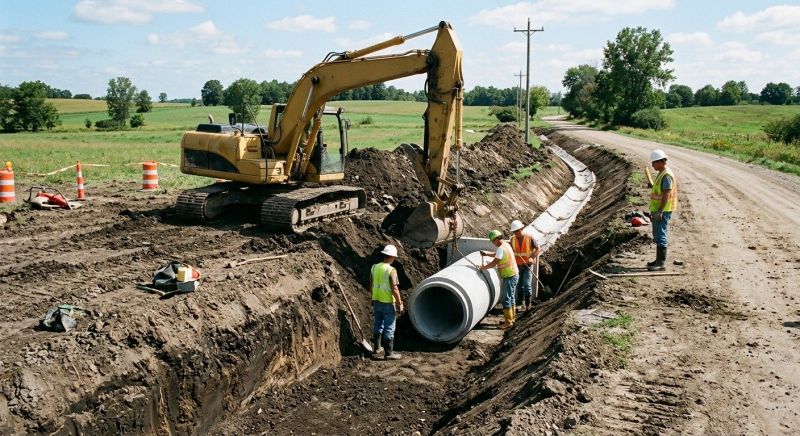
Excavation Techniques
Specialized excavation methods create durable ditches that handle heavy rainfall and runoff.
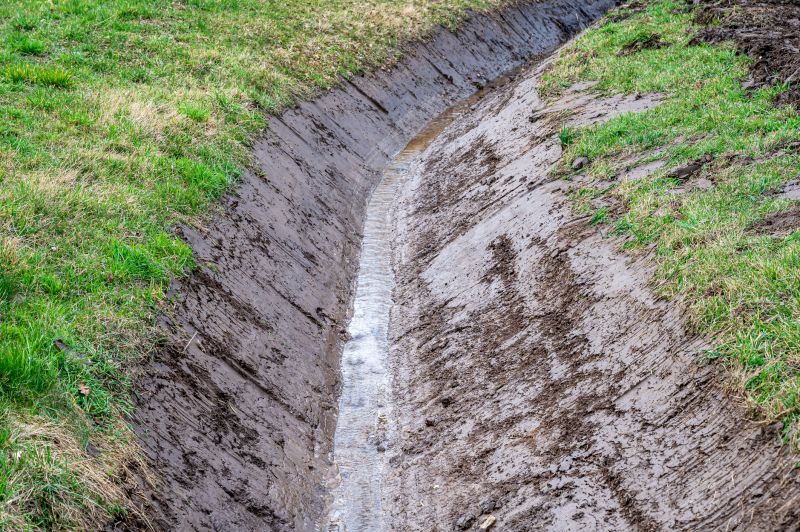
Maintenance & Repair
Regular upkeep helps maintain the integrity of drainage ditches and protects property foundations.
Drainage Ditch Excavation in Salt Lake City, UT

Drainage ditch excavation services involve the careful removal and reshaping of soil to create effective channels for directing excess water away from residential properties. These projects typically address issues such as standing water, erosion control, or improving drainage around foundations, gardens, or lawns. Homeowners often seek this service to prevent water damage, reduce flooding risks, or improve landscape stability, especially in areas prone to heavy rainfall or snowmelt.
Before requesting drainage ditch excavation, property owners usually want to understand the scope of the work, including the size and depth of the ditch, the materials used, and how the drainage will integrate with existing landscaping or drainage systems. Clarifying the purpose of the project and any local regulations or permits required can help ensure the work meets specific property needs and complies with local standards.
Many property owners in Salt Lake City, UT look into Drainage Ditch Excavation for repairs, replacements, upgrades, and appearance-related improvements.
Common Drainage Ditch Excavation Jobs
Drainage ditch excavation - creates channels to direct excess water away from foundations and landscape areas.
Stormwater management - helps prevent flooding by improving water flow during heavy rains.
Erosion control - stabilizes soil and reduces runoff that can damage property and landscaping.
Property drainage solutions - addresses standing water issues in yards and low-lying areas.
Landscape grading - shapes the land to promote proper drainage and prevent water pooling.
Water diversion projects - installs ditches to safely redirect runoff from roofs, driveways, or streets.
Drainage Ditch Excavation Questions
What is drainage ditch excavation used for? It helps manage water flow around properties, preventing flooding and soil erosion by creating channels for excess water to drain safely.
What types of projects typically require drainage ditch excavation? Projects include yard grading, foundation protection, agricultural drainage, and stormwater management systems.
How does drainage ditch excavation benefit property owners? It improves water runoff control, reduces flood risk, and helps maintain the stability of the land around the property.
What should property owners consider before installing a drainage ditch? It’s important to evaluate the land’s slope, water flow patterns, and any local regulations that may impact the project.
Request Drainage Ditch Excavation in Salt Lake City, UT
Use the quote form on this page to share the basics of your project and request more information for the type of work you need.